West Covina neighborhoods and districts we cover
- South Hills
- Galster Park area
- South Lark Ellen Avenue
- Plaza West Covina area
- Eastland Center area
- The Heights and the Sportsplex
- Hollenbeck Street
How rodents get into West Covina homes
1950s tract roofs
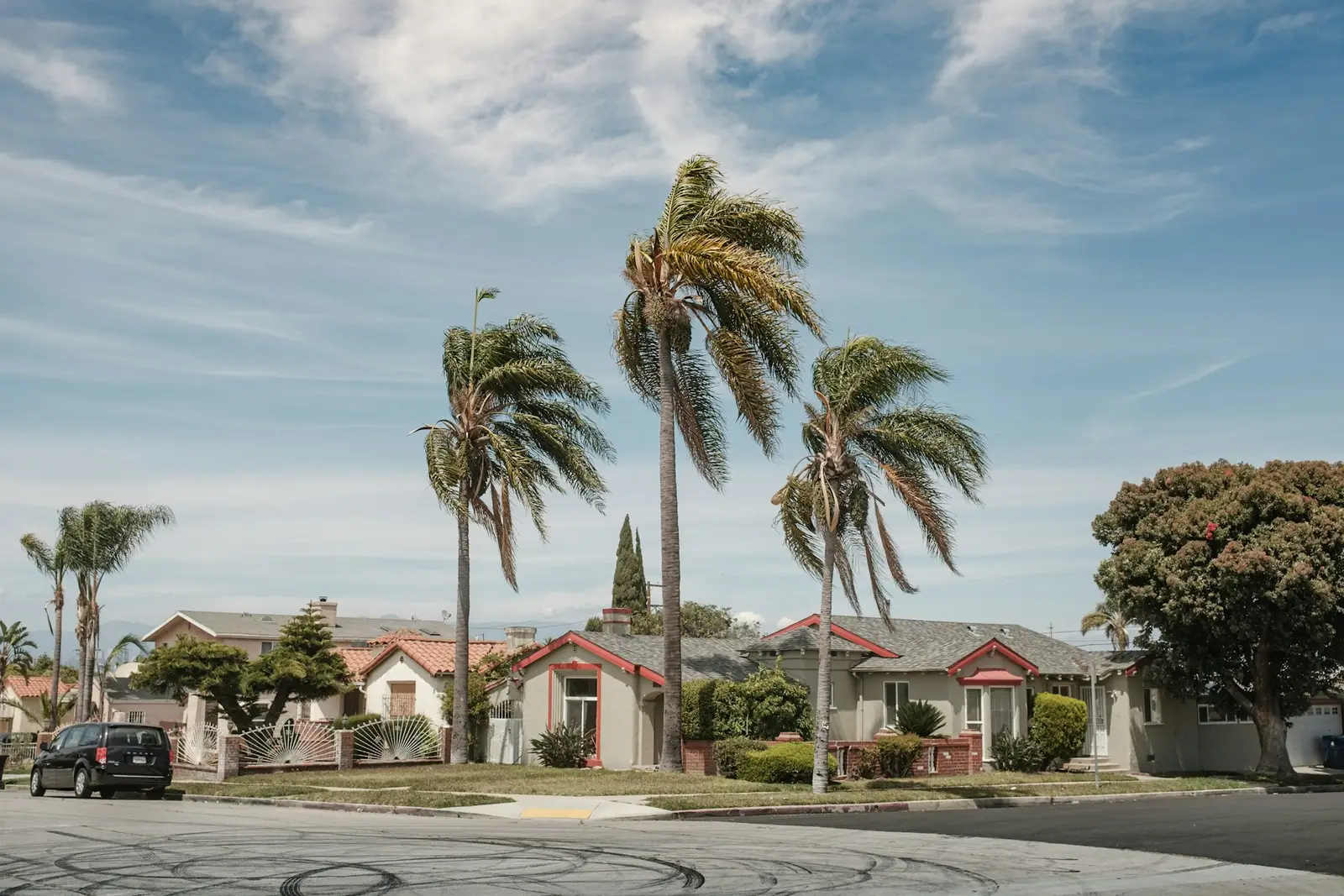
West Covina's boom-era houses are mostly single-story, with low attics and roof vents close to fence height. Seventy years of sun and settling loosen eave blocks, vent screens and the joints where garages meet the house. Roof rats run along block walls and fence tops and reach those gaps easily.
Hillside homes by Galster Park
In the South Hills, homes back onto black walnut woodland and sage scrub. Walnuts and wild seeds feed rodents on the slopes, and sloped lots leave open space under decks and raised floors. Garages and the sides of houses facing the hill are where wild rodents most often meet a building.
Shopping centers and restaurants
Plaza West Covina, Eastland Center and The Heights put dozens of restaurants, food courts and grocery stores near each other, with shared loading docks and trash compactors. Commercial rodent control covers restaurants, stores and offices in these centers and along the streets around them.
The surviving Craftsman houses
The handful of early bungalows on South Lark Ellen Avenue and Hollenbeck Street are decades older than most of their neighbors. Wood siding, raised foundations and open eaves have had time to shrink and shift, leaving gaps at vents, rafters and floor framing that mice can squeeze through.
Newer homes get rodents too, usually through garages, roof vents and the openings where pipes and cables come in.