State-registered pest control · #13402

South Bay, Long Beach and Gateway Cities

Rat and mouse control in Long Beach, California

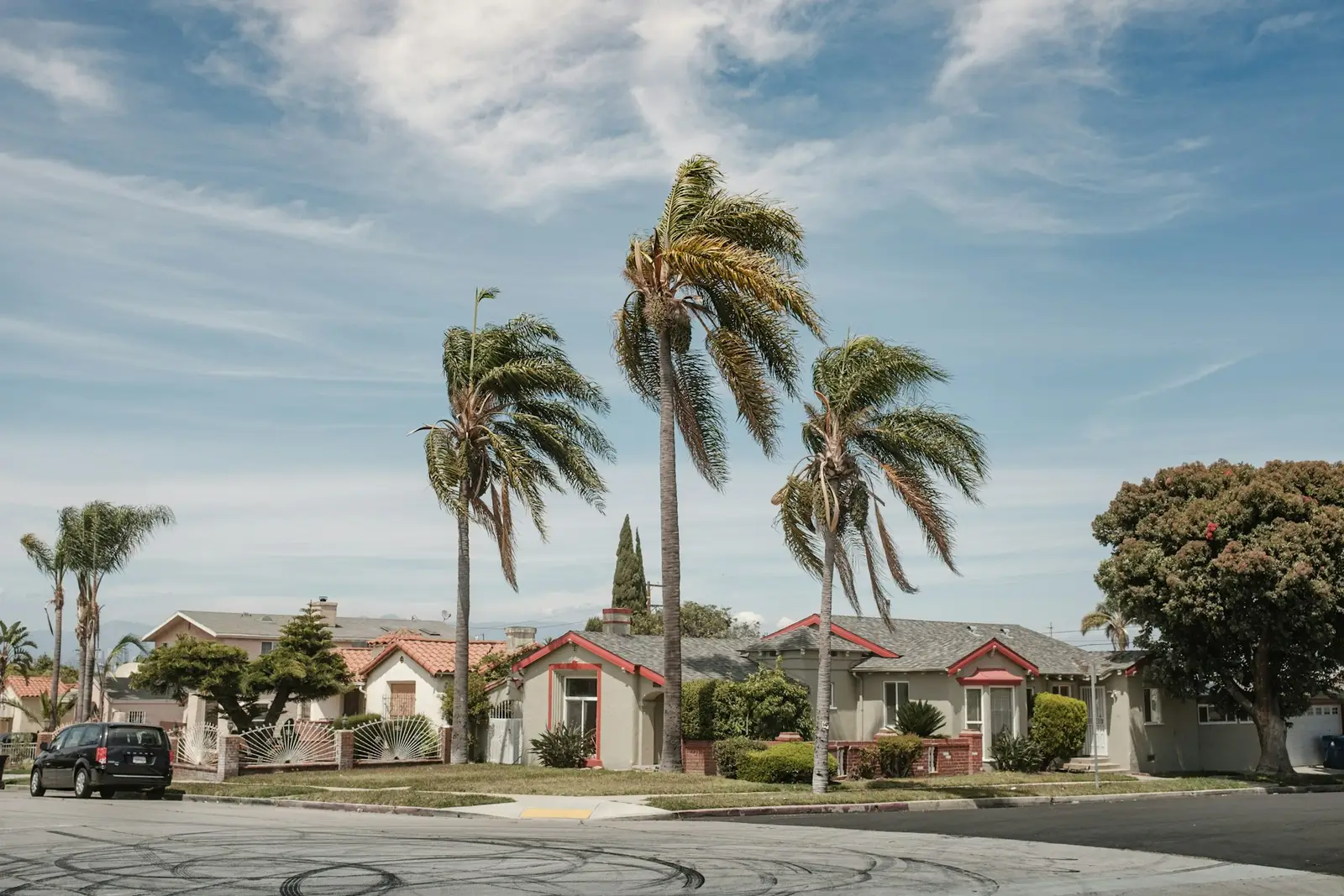
Long Beach runs from the Naples canals to the ranch houses of Rancho Estates, with Craftsman blocks near downtown and the port on the west side.

Service by Rodent Exterminator, a pest control company registered with the California Structural Pest Control Board, registration #13402.

  • State-licensed, insured and bonded
  • Non-toxic methods only
  • 1-year warranty on sealing
  • Same-day visits often available

Map

Where we work in Long Beach

ZIP codes we serve in Long Beach
  • 90802
  • 90803
  • 90804
  • 90805
  • 90806
  • 90807
  • 90808
  • 90810
  • 90813
  • 90814
  • 90815
  • 90822
  • 90831
  • 90840

Long Beach neighborhoods we cover

  • Belmont Shore
  • Naples
  • Bluff Park
  • Bixby Knolls
  • Wrigley
  • Los Altos
  • Rancho Estates
  • West Long Beach

How rodents get into Long Beach homes, block by block

Crawlspaces under old bungalows

The Craftsman houses of Bluff Park, Rose Park and Belmont Heights mostly sit on raised wood floors. Vent screens along the foundation rust and tear with age, and a gap there lets Norway rats under the floor, where pipes lead up into walls and kitchens. Porches and rooms added later often leave their own openings at the seam.

Canal-side homes in Naples

In Naples, houses sit close together along the canals, with docks, boats and seawalls a few steps from the back door. Rats living along the waterline can move through tight side yards, under decks and into the garages and storage rooms tucked behind the houses.

Post-war tracts on the East Side

Los Altos and Plaza homes from the late 1940s and 1950s were built on raised foundations, so foundation vents matter here as well. Seventy years of remodels add more openings: attic vents cut for new roofs, converted garages and gaps where cable and gas lines enter the wall.

Near the port and the river

West Long Beach sits beside the port and its rail lines, and the Wrigley neighborhoods reach the Los Angeles River on their west edge. Storage lots, rail edges and the river channel give Norway rats ground to burrow and travel, so gaps at doors, slabs and pipe runs at ground level count most on these blocks.

Age matters here: vent screens, eaves and foundations open up over the decades, and those small gaps are how mice and rats get in.


Craftsman bluffs, canal islands and East Side tracts

Near downtown, Bluff Park, Bluff Heights and Rose Park are historic districts of Craftsman bungalows from about 1910 to the early 1920s. North of the 405, Wrigley grew from a late-1920s tract, and Bixby Knolls opened in 1930 with custom homes near the Virginia Country Club. Naples sits on three islands in Alamitos Bay, with houses close together along the canals.

The East Side is newer. Thousands of tract homes went up in Los Altos and the Plaza from the late 1940s to the mid-1950s, on raised foundations, and Cliff May designed the ranch houses of Rancho Estates. The Port of Long Beach fills the west side.

The standard

What every visit includes

  • Licensed and registered

    Work done by Rodent Exterminator, registered with the California Structural Pest Control Board.

  • You see what they see

    Photos of every entry point before any work.

  • Price in writing first

    A written plan and price before work starts.

  • No poison baits inside

    Traps and sealing instead.

FAQ

Rodent control in Long Beach: FAQ

Do you work on the houses in Naples, along the canals?

Yes. Naples and Belmont Shore are in ZIP 90803, which is covered. Canal homes sit close together with docks and seawalls at the back, so the waterside matters as much as the street side, along with crawlspace vents, the roofline and the garage.

My house is in Bluff Park or another historic district. Will sealing change how it looks?

It shouldn't. Long Beach reviews many exterior changes in its historic districts, so vent covers, screens and patches that show from the street should match the house. If you're unsure what needs approval, check with the city's historic preservation staff first.

Hearing it in the attic? Book an inspection.

Licensed technicians, photos of every entry point and a written price first.